Virtual Venues are redefining Event Planning
Ask AI about this article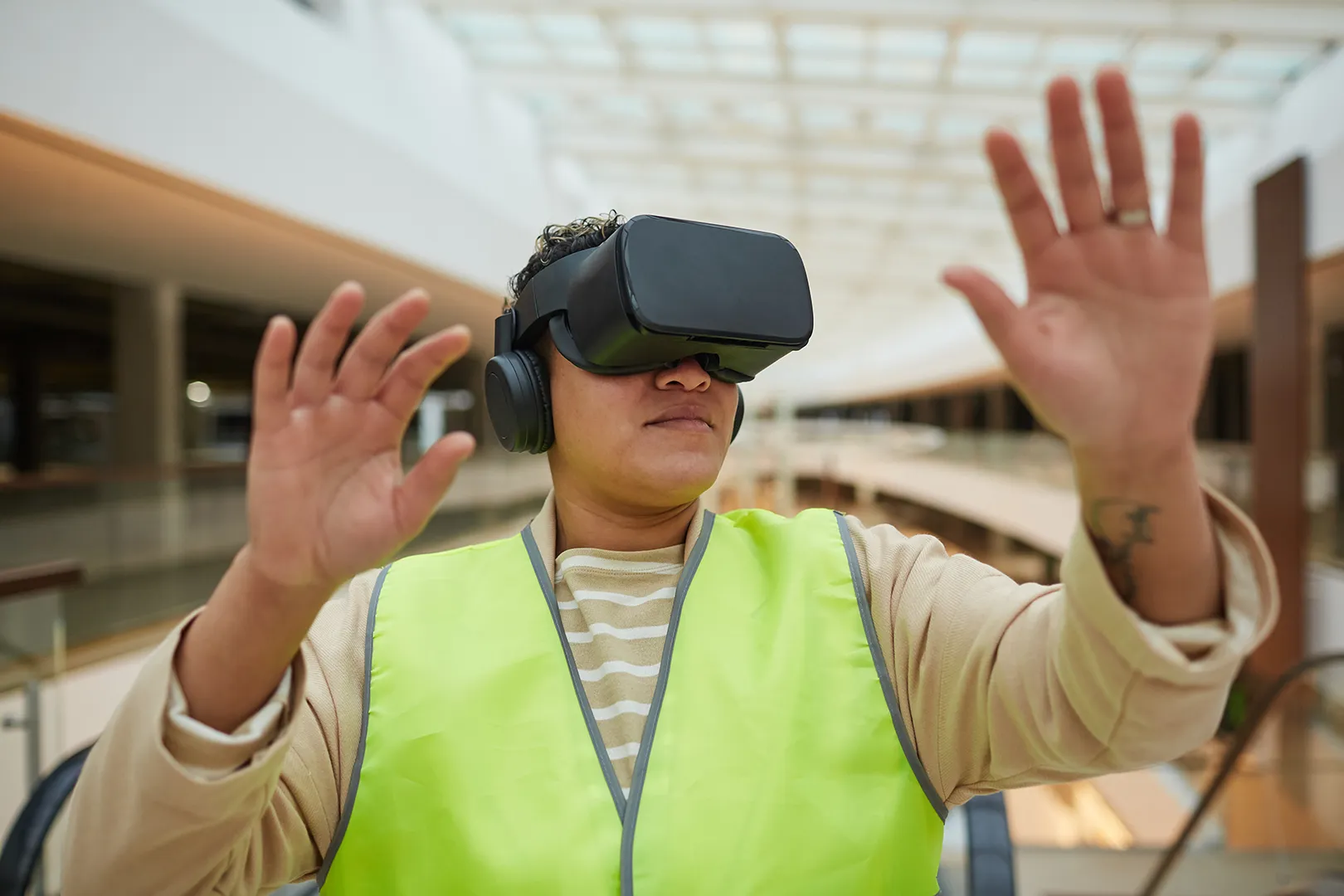

When people hear Virtual Venue, they often picture a VR headset, a virtual stadium that you can roam around in, designed with fans in mind. Those experiences exist, they are real and they are getting better every day.
But there’s another “virtual venue” story happening behind the scenes: digital twins built to help teams plan and deliver events with less travel, fewer errors and tighter coordination across internal and external stakeholders.
This blog post breaks down the “virtual venue” meaning, the difference between VR tours and true event-planning digital twins and how immersive experiences like 360° venue walkthroughs are shaping the next era of stadium event planning and operations.
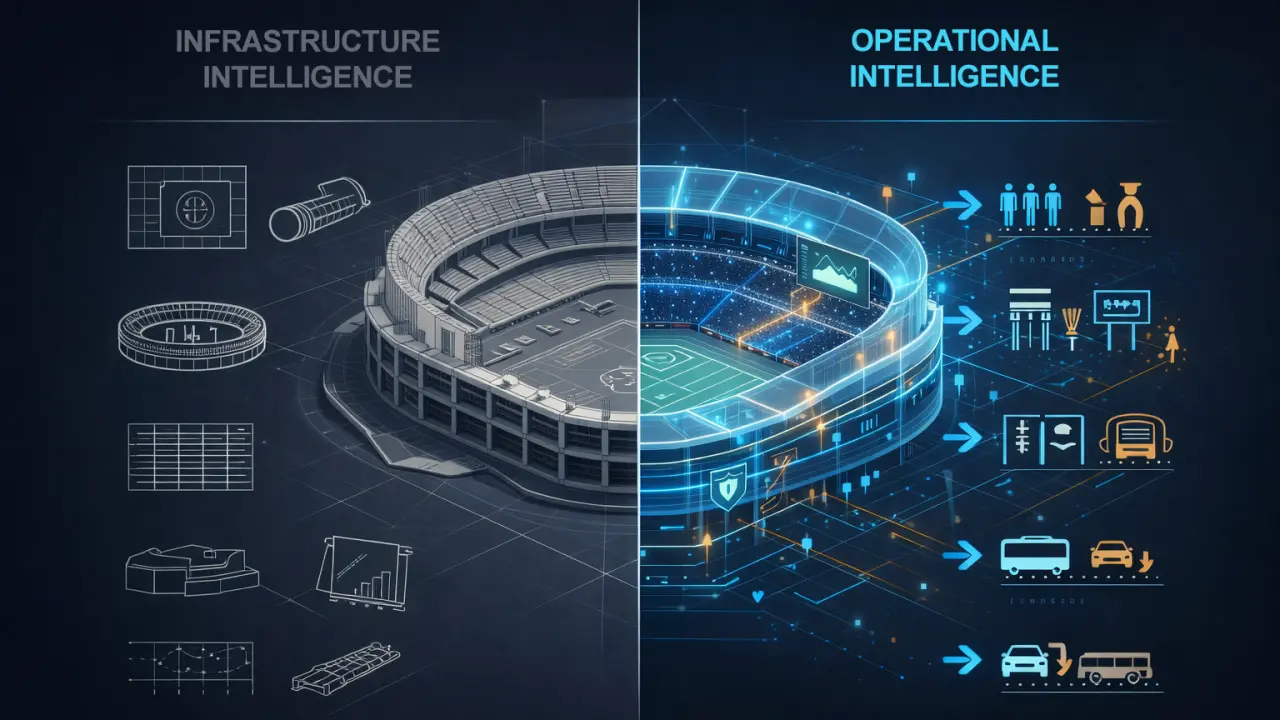
The modern era of event planning can include multiple layers of value:
In our opinion, where it gets interesting is when these converge: digital twins + 360° context + collaboration tools = better, faster and more cost-effective planning.
Digital twins are moving from a “nice-to-have visualization” to “must-have operations infrastructure,” especially when:
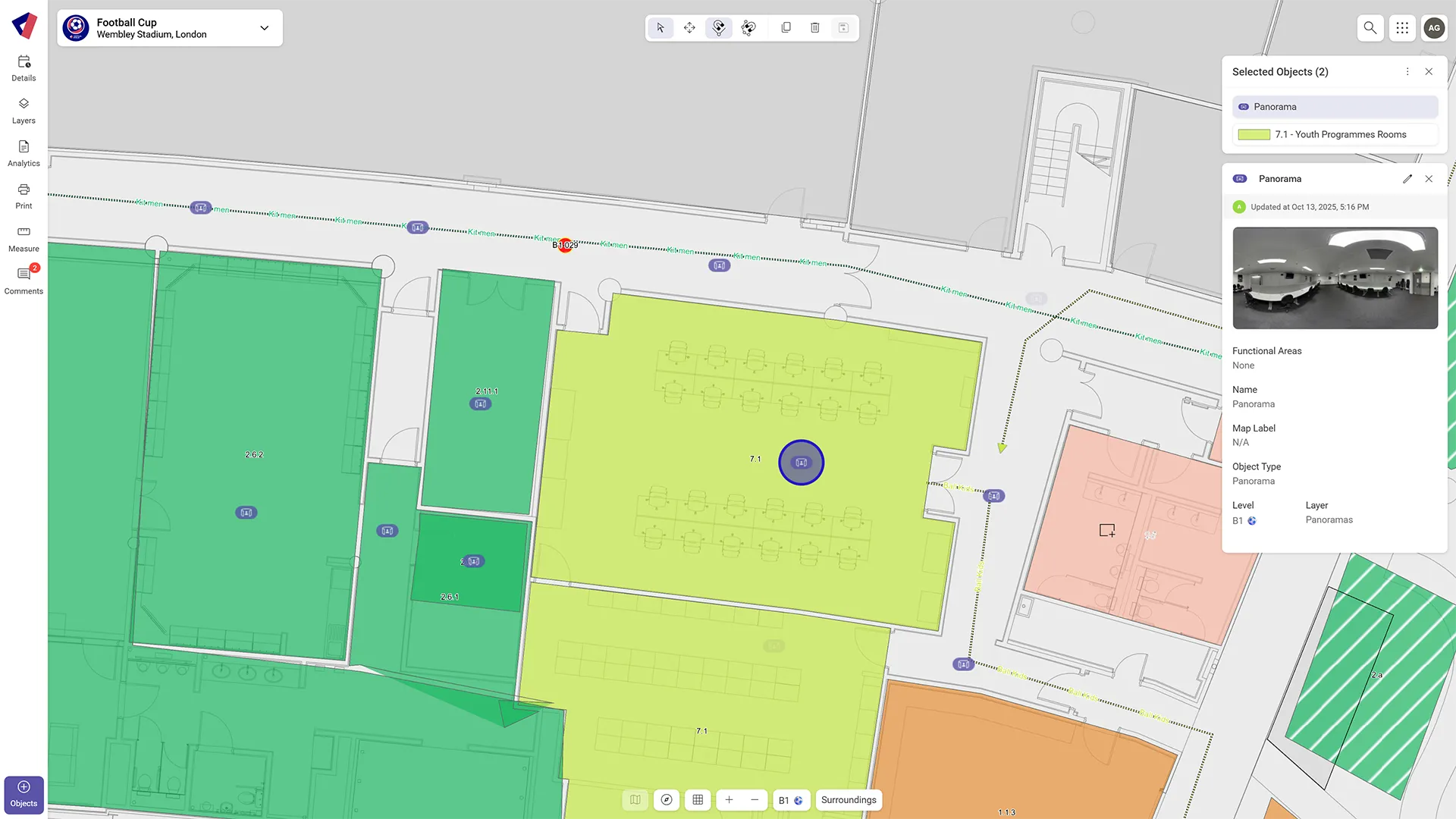
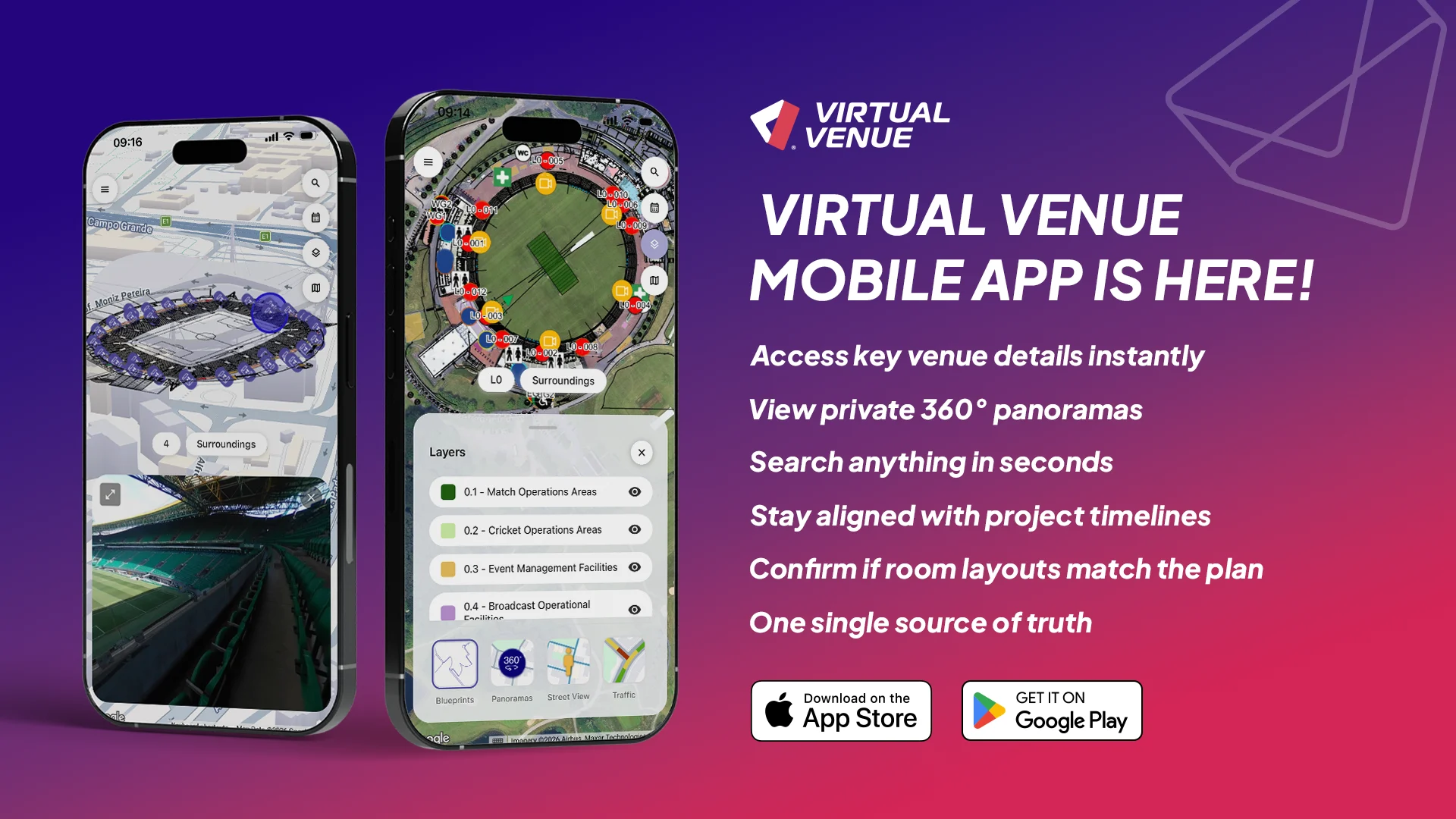
In Virtual Venue, teams collaborate on the same map-centric digital twin platform. They create event overlays, allocate spaces and attach operational context (e.g. documents, media) so everyone is aligned on what happens, where and when.
VR tours are typically designed to impress and entertain:
Event planning digital twins are designed to coordinate and execute:
A lot of the conversation around virtual venues focuses on the “wow factor”: beautiful 3D spaces, virtual venue tours and even VR venues, virtual stadium experiences.
However, for event teams, the real breakthrough isn’t in better visuals. It’s turning the venue into something operationally useful: a shared, living model that multiple stakeholders can rely on when decisions are being made fast and plans are changing constantly. It’s about measurable business outcomes.
Virtual Venue sits in the practical middle ground between virtual tours and traditional documentation.
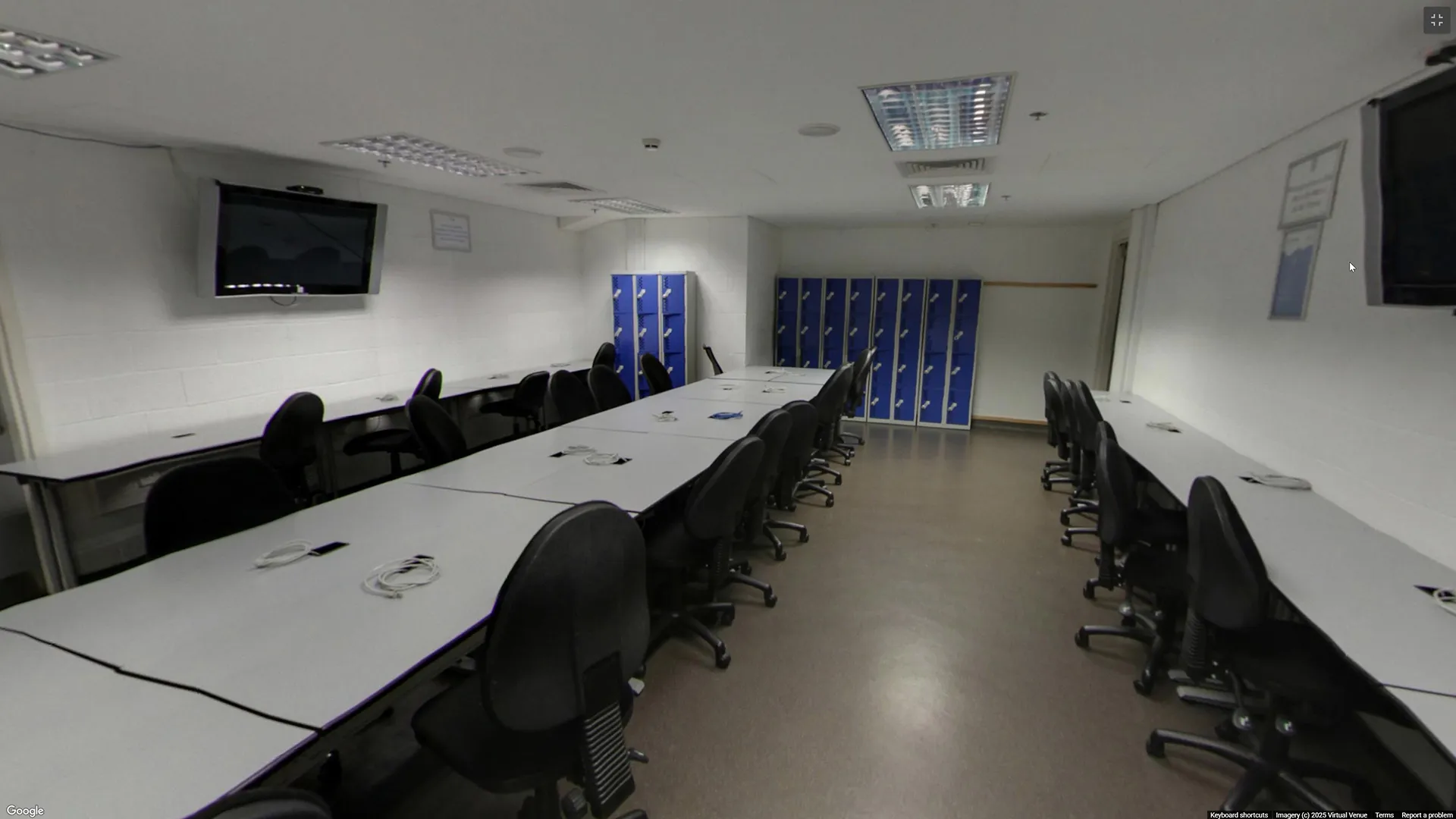
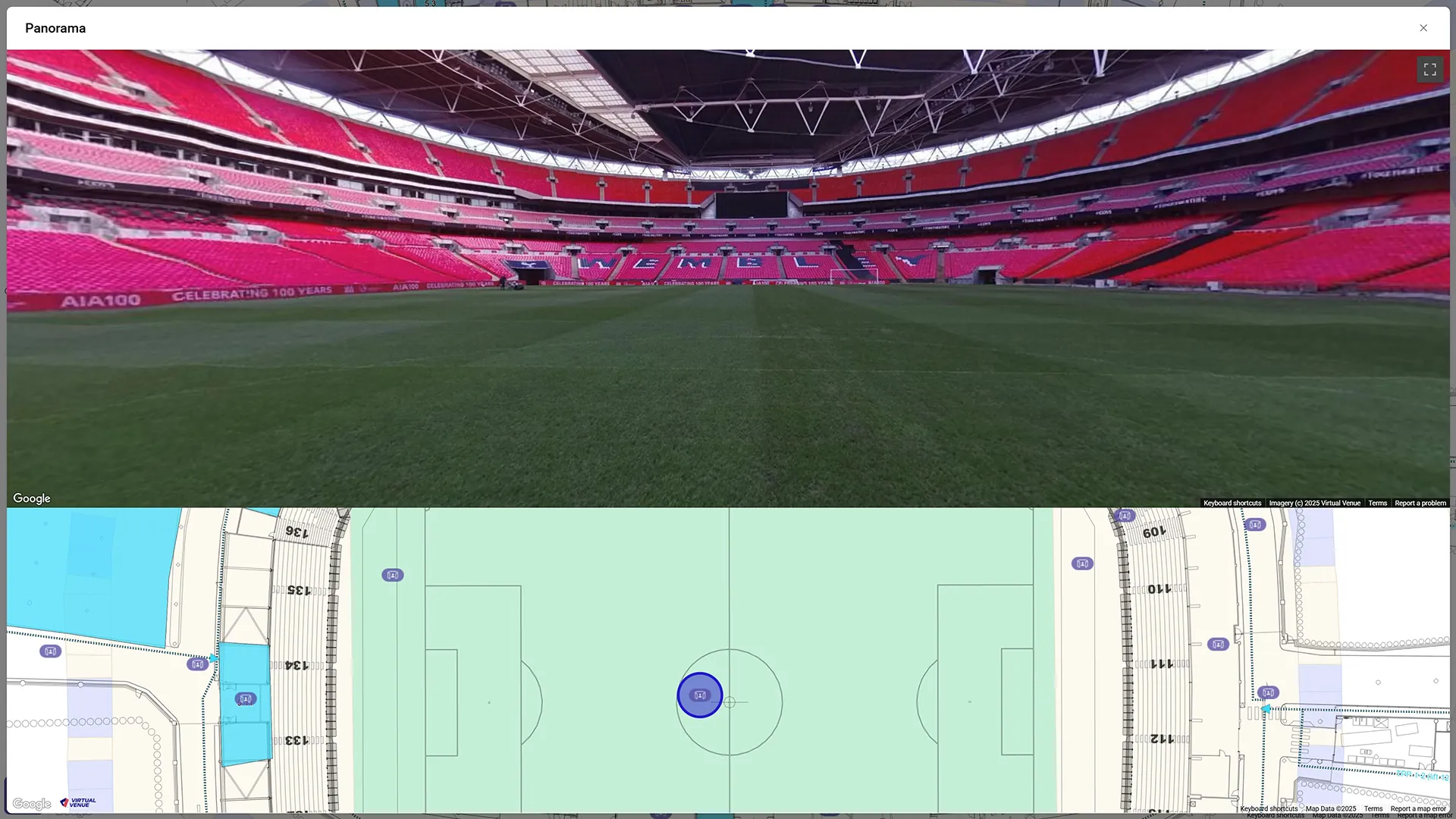
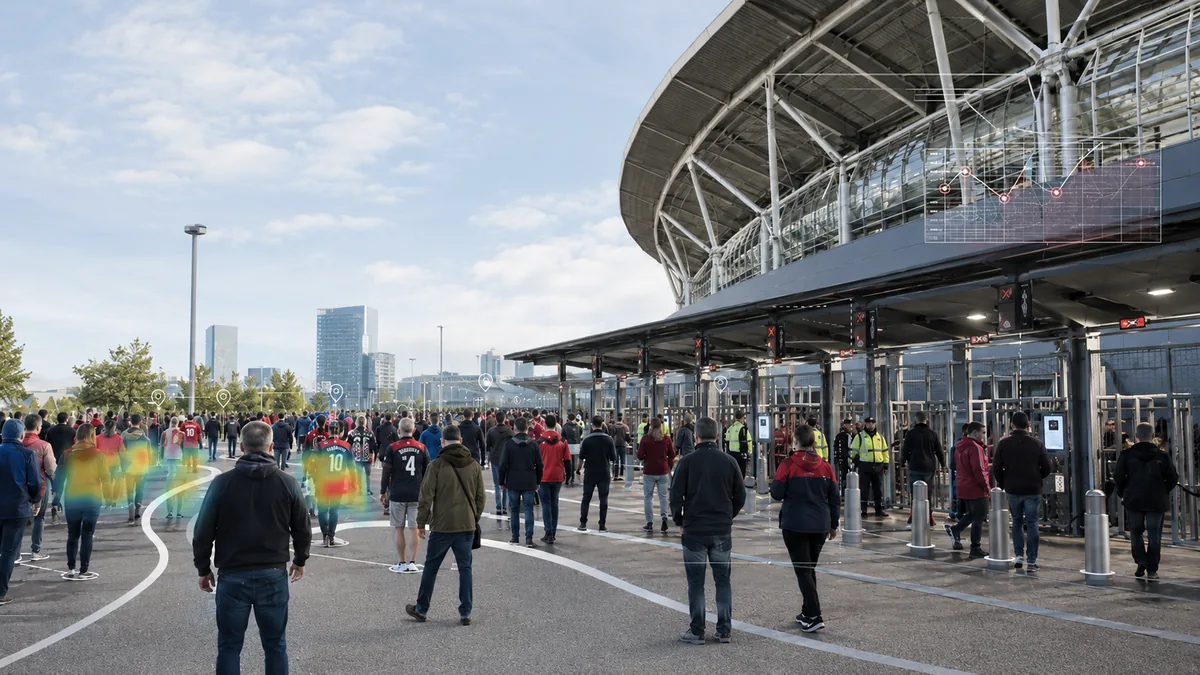
Instead of relying on a purely visual tour, teams work from a map-centric platform where plans and overlays can live in one shared place. When stakeholders need visual validation, private 360° panoramas add real-world context, delivering a virtual stadium feel without losing operational clarity.
The result is a more collaborative way to plan, where multiple contributors can align without bottlenecks, and a platform that supports the full event lifecycle, from early planning through event day operations.
If you want to see what this looks like in a complete platform, explore the next Generation of event planning software.
Want the full picture? Learn how modern event planning teams are using Virtual Venue: the next generation of event planning software.
Explore the platformA virtual venue is a digital version of a real-world venue that lets people explore and understand the space remotely and how it can be used for an event. It can be as simple as an immersive walkthrough, but the best virtual venues go further and act like a planning-grade digital twin.
No. Most virtual venues are accessed on desktop or mobile via a browser. VR can enhance immersion, but it’s not required.
No. A virtual venue tour is usually a viewing-only experience. A virtual venue event planning platform is where teams plan using overlays, permissions, documents and operational workflows on top of a virtual venue or a digital twin.
An immersive 360° venue walkthrough is used to give teams a realistic, on-site view of the venue remotely, so they can confirm details and make decisions without everyone needing to be physically present. It’s especially powerful when paired with a digital twin. The digital twin holds the plan (zones, overlays, allocations) and the 360° walkthrough provides the real-world context to verify those decisions quickly.
VR tours can be great for immersion and engagement. But most operational planning still needs a structured digital twin with editable layers, collaboration controls, and traceable decisions, especially for complex events with multiple venues.
Latests from our Blog
See Virtual Venue in action
Streamline planning, enhance execution, and stay in full control with Virtual Venue.
Book a demo today and see how we can help optimize your events.
Get in Touch
All Rights Reserved © Virtual Venue












.svg)
.svg)
