Smart mobility planning for Stadium Events
Ask AI about this article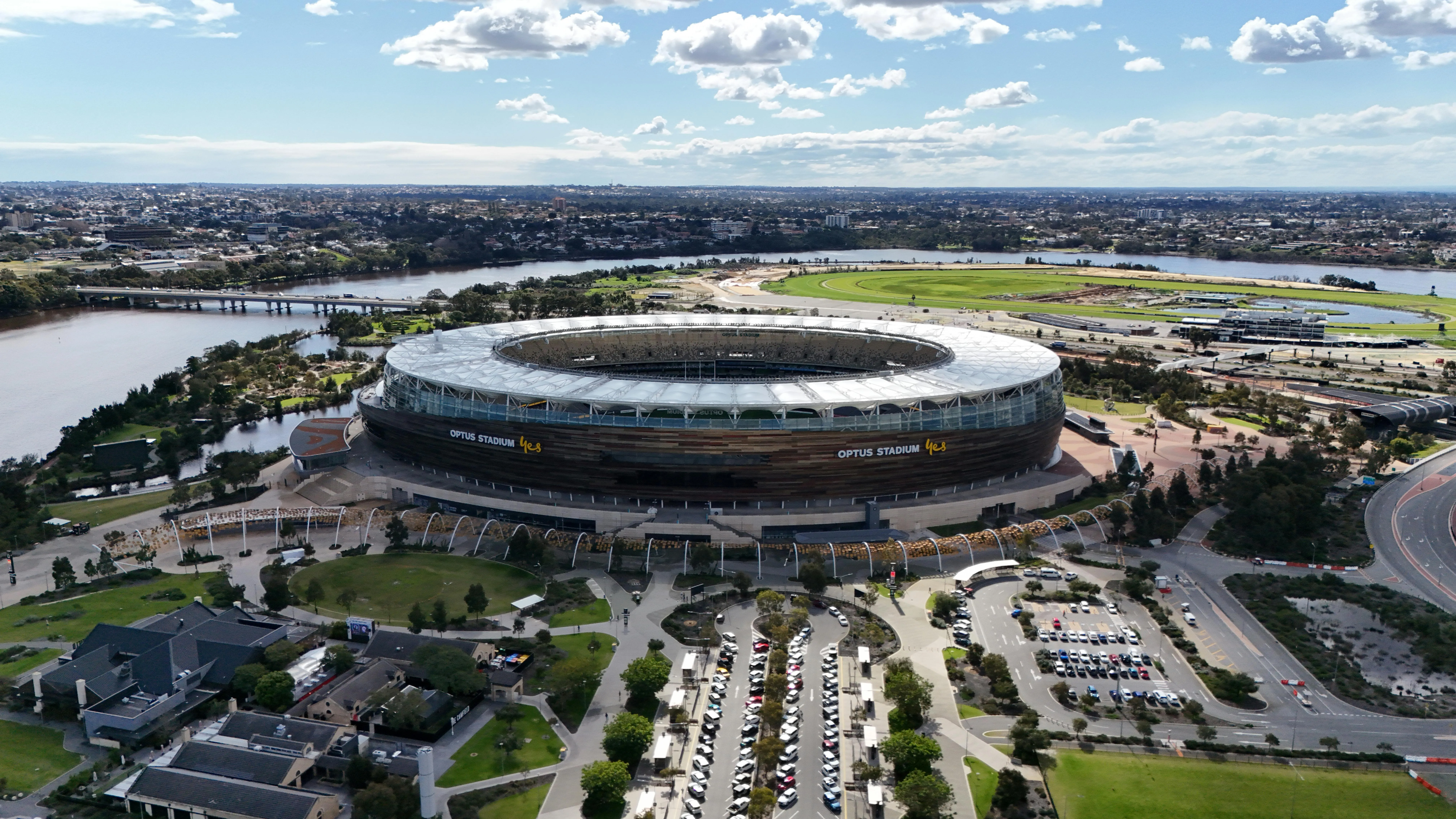

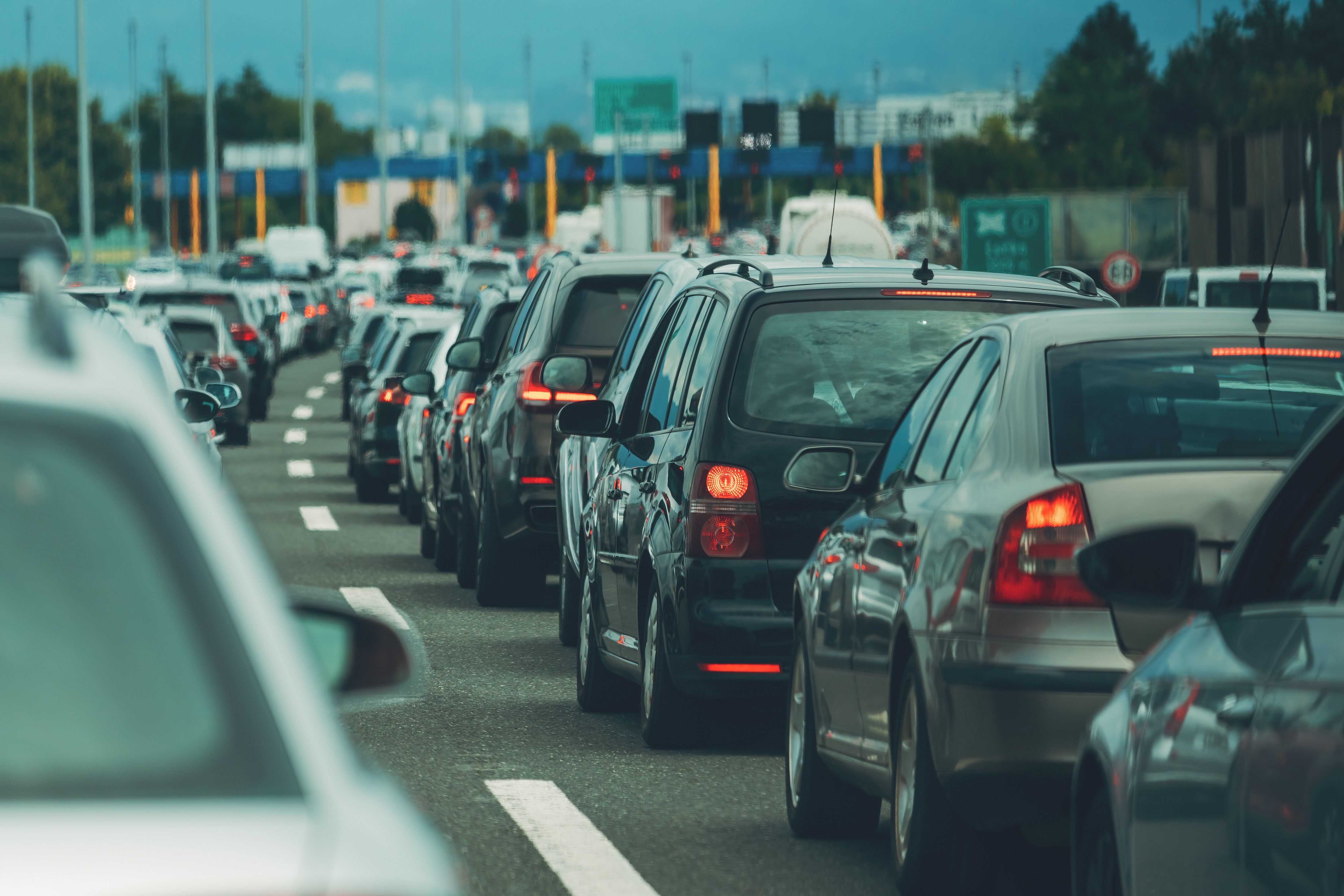
Match days do not just stress stadium operations. They stress the whole city. When tens of thousands of people converge on one venue within a tight time window, small frictions add up fast. A blocked junction, unclear drop off rules, last minute roadworks or a sudden weather change can quickly bring traffic to a standstill, causing late arrivals, safety risks and avoidable emissions.
Smart stadium mobility planning focuses on one thing: getting the right people to the right places, at the right times, using the most efficient and lowest impact routes and modes possible.
Digital twins and smart mobility tools now allow organisers to move beyond static plans. Instead, they can run scenario-based planning, testing multiple mobility options collaboratively with cities, transport operators and security teams in one shared virtual environment. That is exactly the approach platforms like Virtual Venue are built to support.
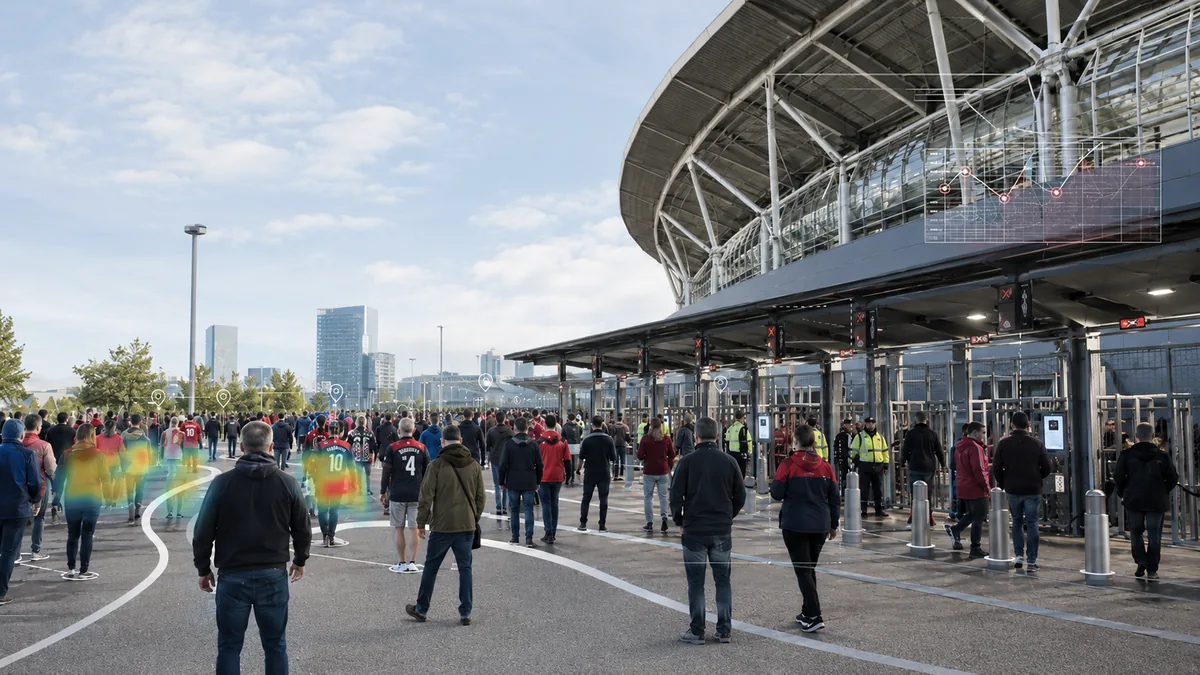
On a big match day or sports business event, the entire urban mobility system is under pressure. Thousands of people are moving at roughly the same time, all with different roles and priorities:
When this complex mix of journeys is not planned intelligently, problems build quickly. Congested access routes slow everything down, and parking areas overflow, pushing cars into residential streets and informal parking spots. Arrival times for key groups such as teams, referees and broadcast crews become unpredictable, which risks live broadcast schedules and event readiness. Transport emissions rise as vehicles idle in traffic, often becoming the single largest contributor to the event’s carbon footprint. If you add last minute roadworks, a sudden weather change or a disruption to public transport, mobility teams are left reacting to issues instead of executing a clear plan.
At the same time, the stakeholders involved in stadium mobility planning are under significant pressure. Local authorities and police need accurate, up to date information on road closures, diversions and access rules. Public transport operators must adapt capacity and timetables to cope with peaks before and after the stadium event.
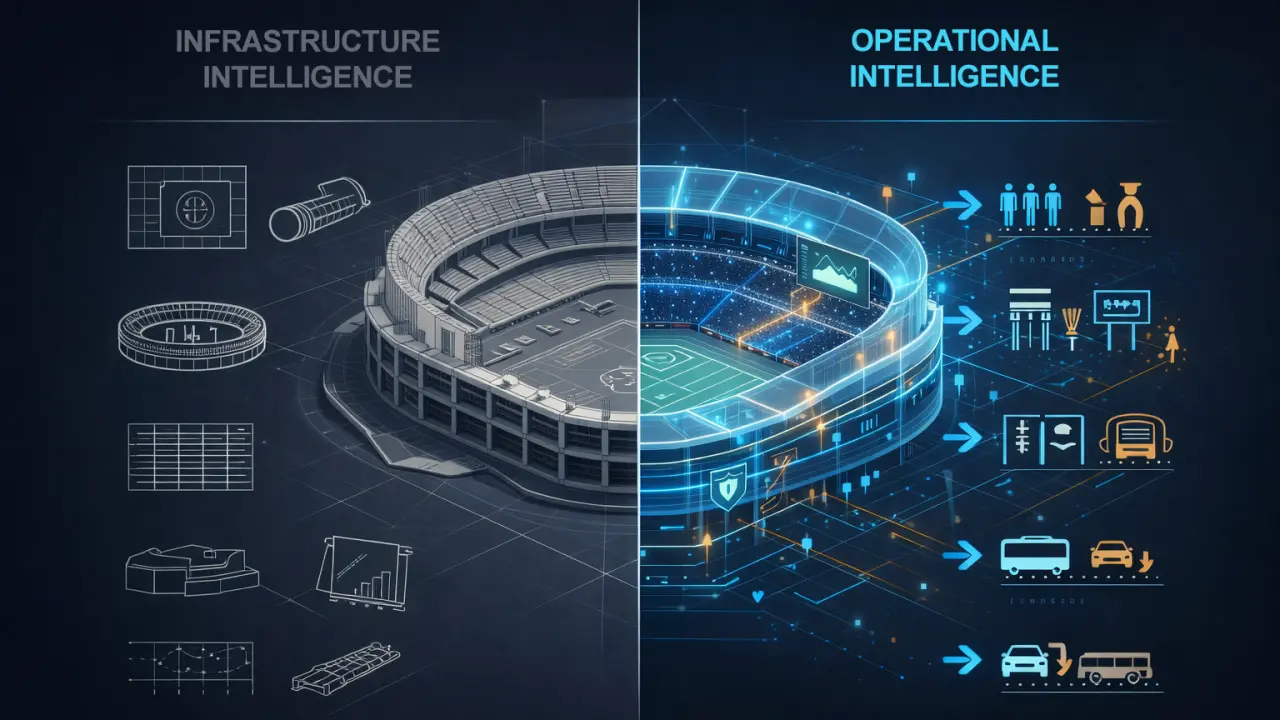
Yet many events are still planned using traditional tools such as static PDFs, long email chains and isolated spreadsheets scattered across different teams. This makes coordination slow, error prone and highly dependent on individual knowledge. A map centric digital twin of the stadium and its surroundings offers a different approach, giving every stakeholder the same live view of mobility operations and their impact.
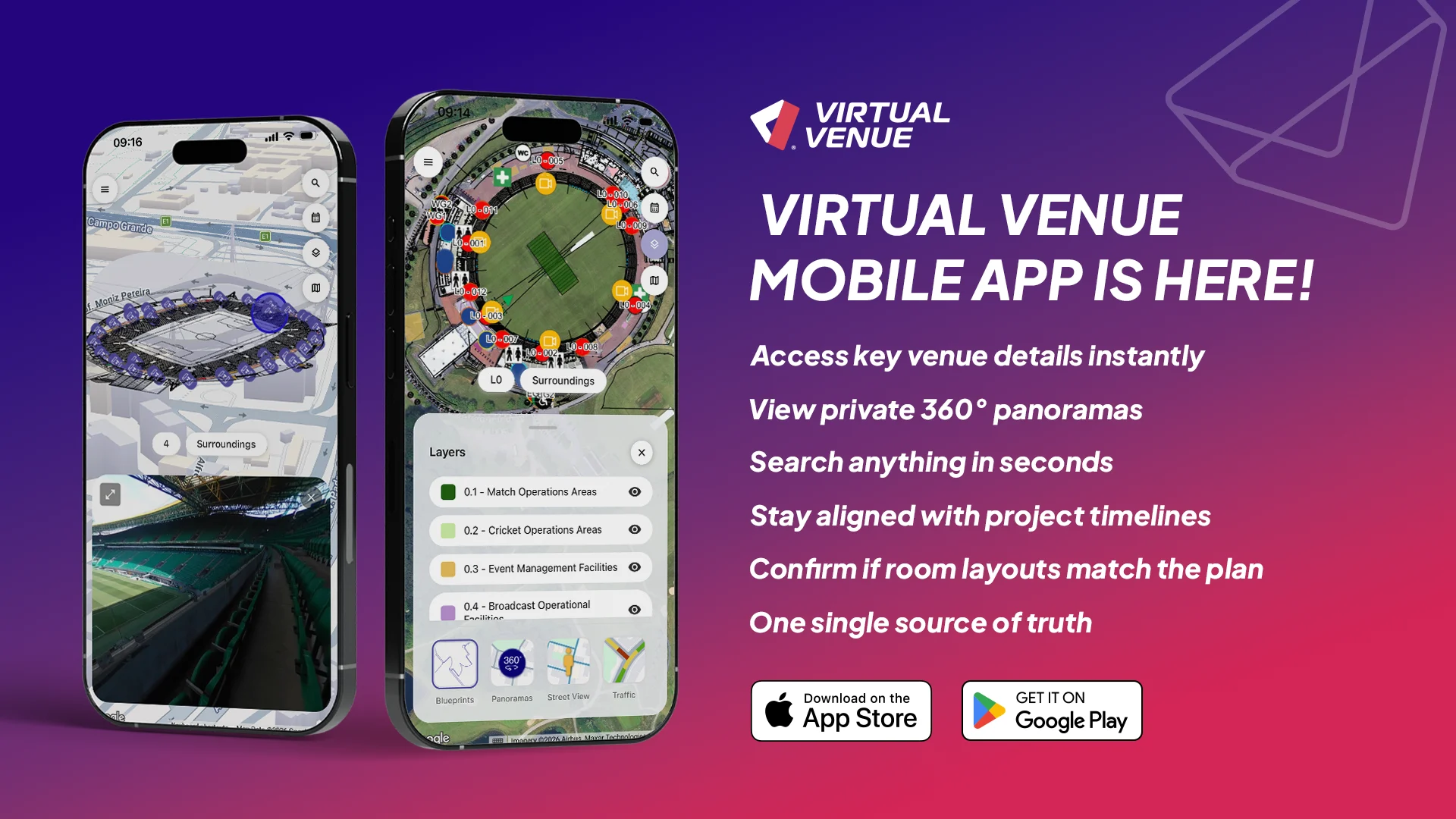
A digital twin for stadium and city operations brings every stakeholder to the same live map of reality. In Virtual Venue, the stadium, surrounding roads, fan zones, transport hubs and partner sites such as airports, hotels and training grounds all sit in one shared environment.
On matchday, you’re not moving one audience, you’re managing multiple streams. A digital twin in Virtual Venue turns those streams into clear routes, zones, and perimeters:
With a digital twin, teams can also define key operational perimeters such as road closures, one way systems, security and screening areas and restricted access zones. Because everyone sees the same live view, including city authorities, police, transport operators and the venue, organisers can avoid clashes, reduce unnecessary vehicle movements and cut congestion and idling around the stadium.
Stadium mobility planning becomes much more powerful when the digital twin uses live data.
IoT parking sensors can show real time occupancy for on site and nearby parking areas, send alerts when key car parks are close to capacity and provide the data needed to guide fans towards underused or remote parking locations connected by shuttle services. For a closer look at how sensors support live event operations, we explore this in more detail in our article How IoT Sensors Are Impacting Event Crowd Management.
Traffic and routing data, for example through Google Maps style APIs, add another important layer. Mobility teams can see live congestion levels on main access roads, get suggested alternative routes with updated travel times when incidents or delays occur. This helps them adjust signage and communications while the event is in progress.
Weather feeds complete the picture. Forecasts for rain, heat or snow influence how and when people travel, as well as which modes they choose. Heavy rain often leads to more car arrivals and less walking. Extreme heat can push fans to arrive earlier and look for shaded routes. By connecting weather data to the digital twin, organisers can prepare and trigger different mobility scenarios ahead of time instead of reacting at the last minute.
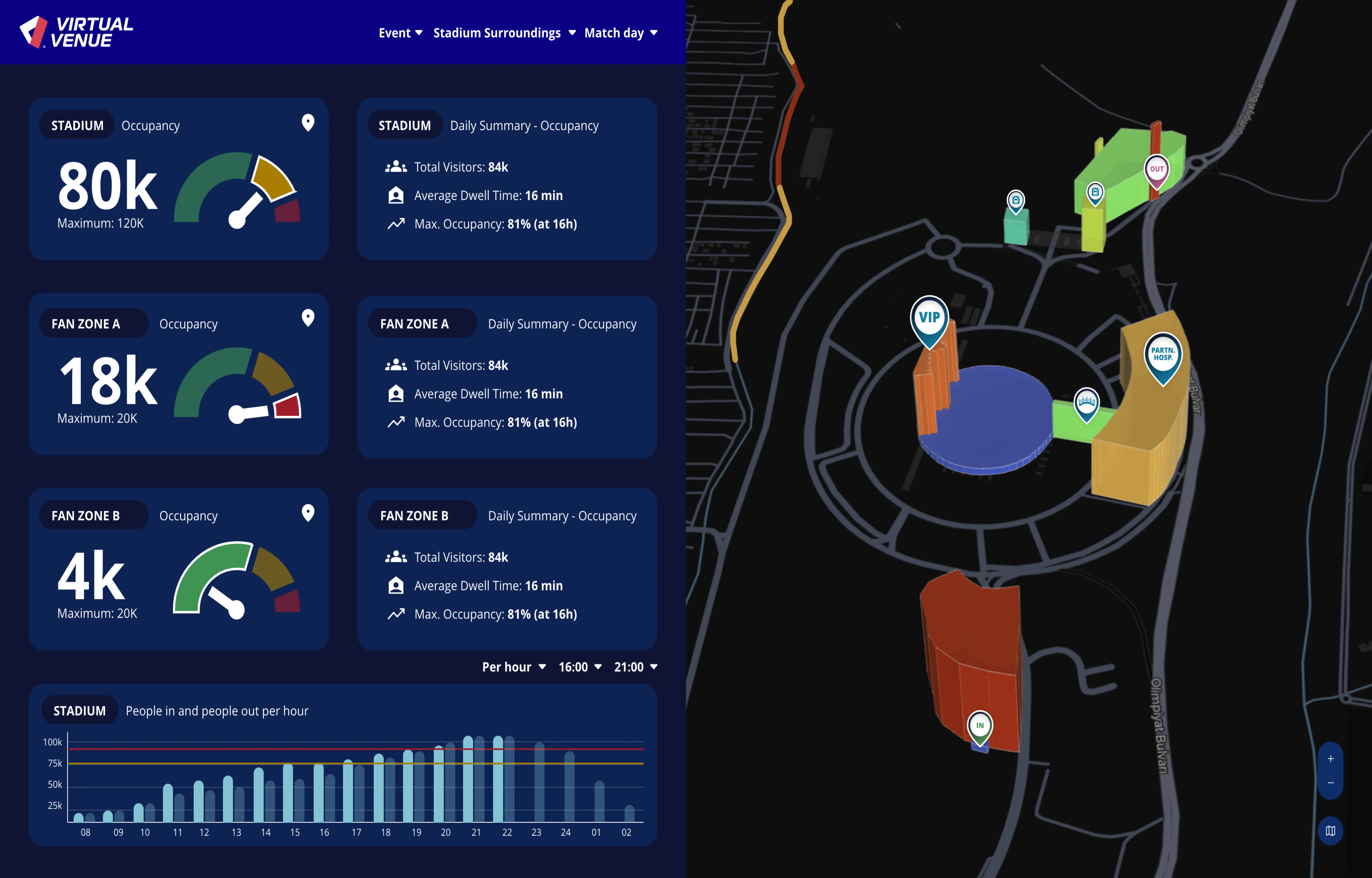
When all mobility information lives in one place, teams no longer work in silos.
Virtual Venue is designed to connect easily with other systems through APIs, so mobility plans and live data can flow into third party tools while the platform remains the single source of truth.
Smart mobility planning is one of the most direct ways to cut an event’s travel footprint. And the impact starts way before the gates ever open: by moving coordination online, you reduce last-minute site visits, repeated drive-throughs and on-the-ground rework. With Virtual Venue, teams can explore the stadium and surrounding streets, confirm access routes and drop-off points, and align on operational perimeters without being on site.
Organisers can use Virtual Venue to design, compare and improve their mobility plans with sustainability in mind:
Mobility is just one part of the sustainability puzzle. In our article Sustainability in Sports Events Is No Longer Optional, we look at how clubs, leagues, federations and event organisers are reshaping events end to end and how Virtual Venue fits into that journey.
When UEFA relocated the 2020 Champions League Final from Istanbul to Lisbon due to COVID-19, the challenge went far beyond redrawing seating charts. Travel and access plans for teams, staff, media and VIPs had to be reworked quickly, often with multiple contingency plans as public-health guidance and travel restrictions around the world evolved.
By using Virtual Venue’s digital twin and collaborative planning capabilities, organisers were able to:
Music events at Wembley Stadium feel very different to a match day. On a sold out night, one of the most iconic stages in world sport and entertainment pulls fans from across the country and far beyond the city. Many arrive close to show time and then leave almost at once when the last song ends, creating a single powerful wave of movement around the venue. Those late finishes put real pressure on night trains, stations and nearby streets, while production crews and trucks still need space to move in and out before and after the event.
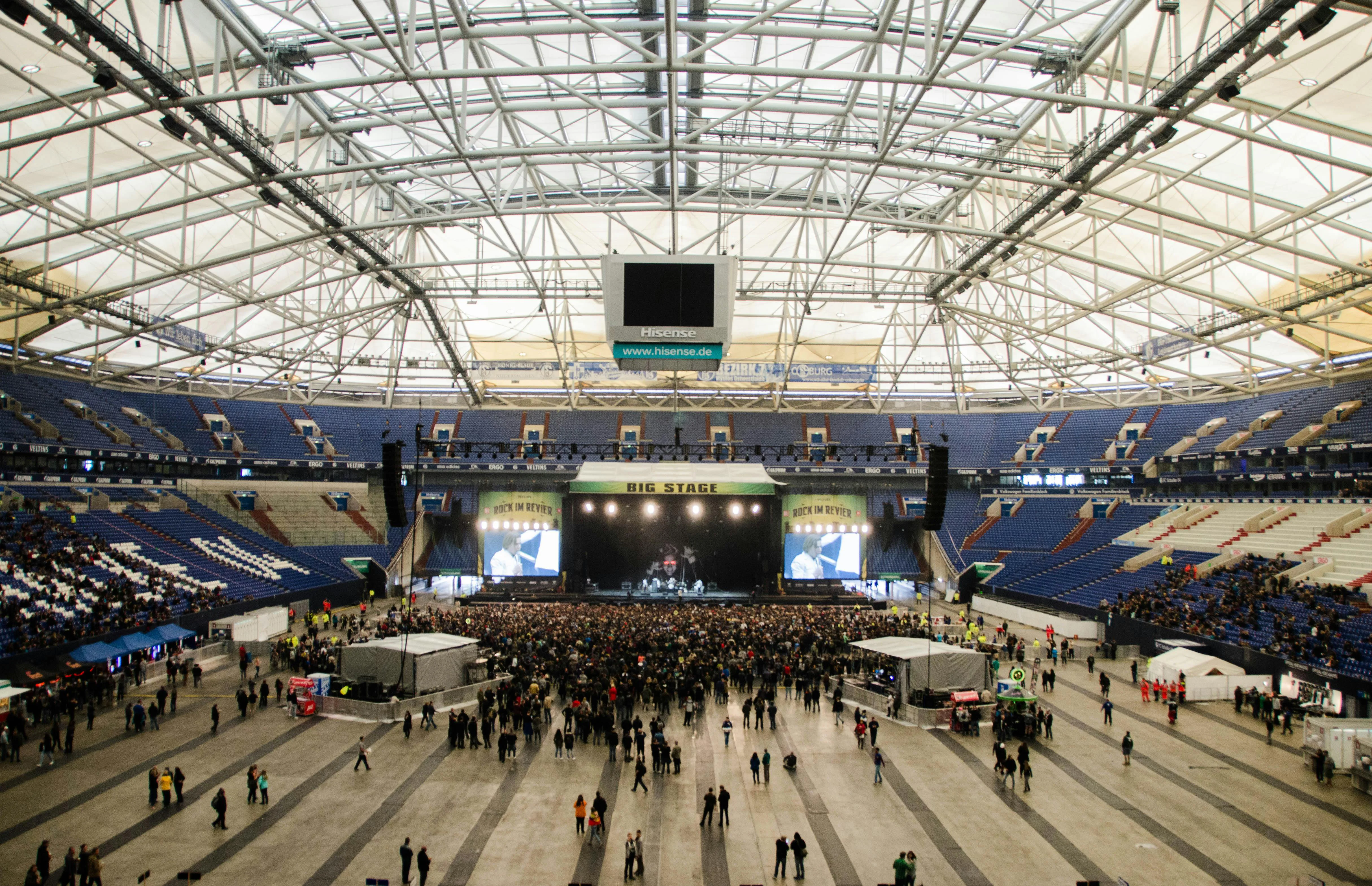
With Virtual Venue, mobility planning for music events at Wembley Stadium can include:
If you want to bring this approach to your next stadium event, the next step is simple: book a call with our team and explore what is possible.
Book a callGeneral traffic management looks after the whole city every day. Stadium mobility planning focuses on what happens when tens of thousands of people move to and from one venue in a short window, across fans, teams, VIPs, staff and suppliers.
A digital twin gives you a live, map based view of the stadium and its surroundings, with routes, zones and perimeters on top. Teams can work from the same plan, test scenarios and update access, parking and walking routes as the event evolves.
Virtual Venue is the map centric layer for your event. You can design and share access routes, parking, drop off zones, walking paths and restricted areas for different groups, then easily share those with cities, police and transport partners.
Yes. The details that usually live in scattered documents can be mapped and stored in Virtual Venue, so it is easier to reuse plans, keep track of changes and keep everyone on the same version.
Virtual Venue reduces the need for physical site visits by letting teams design and review routes, access points, and traffic plans remotely on a shared digital twin, and helps you favour walking, shared transport and park and ride. We explore this in more depth, including beyond travel, in our recent article about sustainability.
No. Virtual Venue is designed for any large-scale event with big crowds, both sports and non-sports. It can be used for tournaments and leagues across different sports as well as concerts, festivals, trade fairs, and large conferences in stadiums, arenas, and other major venues.
Latests from our Blog
See Virtual Venue in action
Streamline planning, enhance execution, and stay in full control with Virtual Venue.
Book a demo today and see how we can help optimize your events.
Get in Touch
All Rights Reserved © Virtual Venue












.svg)
.svg)
